

 2 December 2025
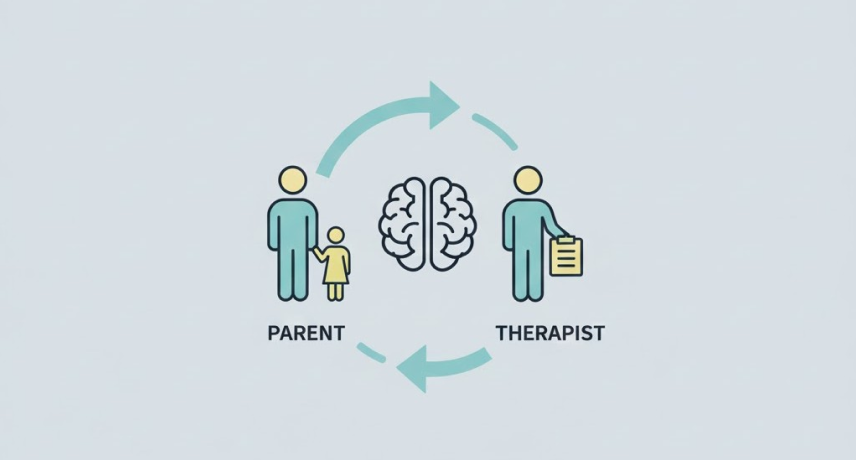
Every lasting stride a child makes is built on a dedicated parent-therapist partnership and requires a consistent unified approach. For a child with autism, their growth happens when strong communication allows clinical strategies to flow effortlessly into the child's active life routine.
Good communication is more than just passing “therapy-home” activity notes. It is about building a cohesive team based on trust and aligned goals, ensuring every adult in the child's life is speaking the same language.
Check out if you are missing any of the essentials to establish a Parent-Therapist team!
The 5 Tools for a Unified Parent-Therapist Team
We’ve distilled the most effective communication strategies into five practical, easy-to-implement steps that build a resilient bridge between the center and the home.
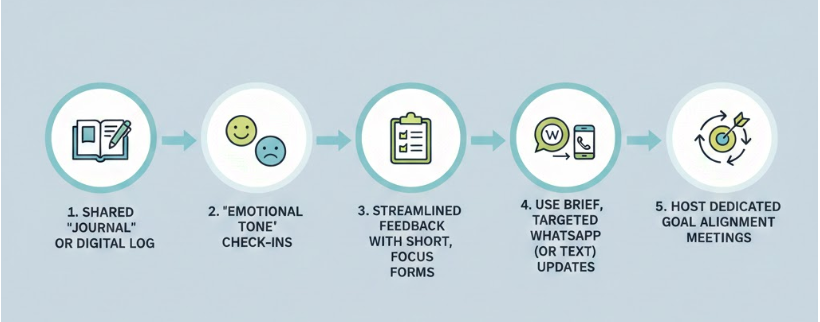
1.Shared "Journal" or Digital Log
The challenge with communication is often continuity. Small, daily wins or specific triggers can be forgotten in the rush of life. Don't rely on memory; use a simple, shared log.
- Concept in Action: Whether it’s a simple shared Google Doc, a designated notebook, or a secure app, this "shared journal" allows both parties to jot down specific, contextualized observations.
- Pro-Tip: Move beyond vague feedback. Instead of "He was angry today," write: "Difficulty transitioning from iPad to dinner. Became visibly agitated when I used the cue, 'Five more minutes'." Data with context is gold for a therapist.
2. "Emotional Tone" Check-ins
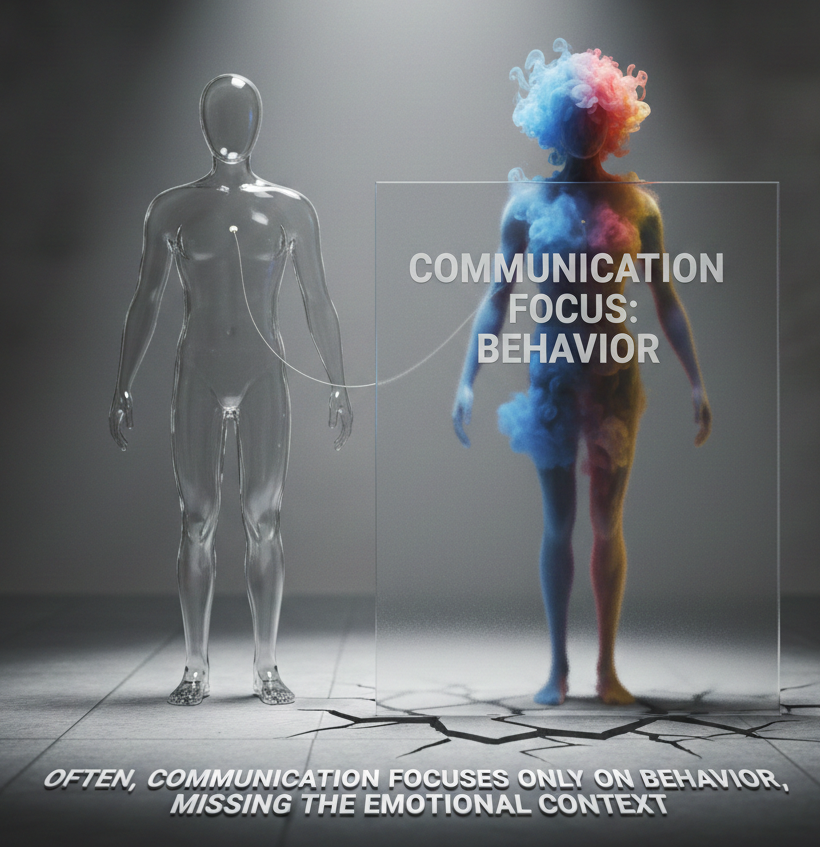
Often, communication focuses only on behavior, missing the emotional context. Understanding the parent's current emotional capacity and the child’s mood state is vital for planning effective sessions and home goals.
- Concept in Action: Take two minutes at the start or end of a meeting for an Emotional Tone Check-in. Parents can share: "I'm feeling burnt out this week, so I need simple, quick goals," while therapists can relay: "He was very calm and focused today. A good day to try something new."
- The Power: These quick empathy exchanges show mutual respect and ensure that strategies are tailored to the family's reality, not just an ideal.
3. Streamline Feedback with Short, Focus Forms
Long, open-ended discussions can feel overwhelming. Efficiency and clarity are key. Use a structured, easy-to-complete method to capture the most important data points from the week.
- Concept in Action: Create a short feedback form; digital or print, that takes less than three minutes to complete. It should focus on 2-3 key questions, such as: "What was the biggest hurdle this week?" or "Which strategy from last week was most successful?"
- The Impact: This forces both parties to provide laser-focused feedback, cutting through the noise to align on the next immediate step.
4. Use Brief, Targeted WhatsApp (or Text) Updates
For non-urgent, immediate collaboration, nothing beats a quick message. This isn't for session summaries, but for the moments when a prompt response could make a difference.
- Concept in Action: Agree on a boundary and purpose for WhatsApp updates. Use it to send a picture of a successful visual schedule used at home, or a quick "He keeps saying the word 'stop' now!" This allows for real-time celebration and immediate strategic reinforcement.
- The Guardrail: Establish clear response windows (e.g., "I only check messages between 9 a.m. and 5 p.m.") to maintain boundaries and prevent burnout. Respect and Support go hand in hand.
5. Host Dedicated Goal Alignment Meetings

It's easy for therapy goals and home goals to drift apart over time. Dedicate specific time, separate from the session itself, to ensure everyone is pulling in the exact same direction.
- Concept in Action: Schedule quarterly or monthly goal alignment meetings to formally review the child’s IEP/treatment plan or therapy goals. Use this time to explicitly agree on the common language, cues, and expectations that will be consistently used both at home and in the clinic.
- Remember: Consistency is comfort for a child with autism. When everyone uses the same "First-Then" visual or the same "calm-down corner" cue, you are offering the child a predictable, secure world.
The Bottom Line: Partnership Over Perfection
Communication isn't an added chore; it’s the essential fuel for developmental progress. When parents and therapists actively share observations, align their language, and check in on emotional well-being, they transform from two people working separately into one united force.
Perfection is not the objective; partnership is. When parents and therapists commit to this compassionate and consistent collaboration, they transform care into a catalyst for the child's maximum growth and thriving.
Cite this article
Stuti Sapkota (2025). 5 Simple Ways to Transform Your Parent-Therapist Partnership. Sunflower Spectrum. https://www.sunflowerspectrum.com/blog/5-simple-ways-to-transform-your-parent-therapist-partnership