

 4 November 2025
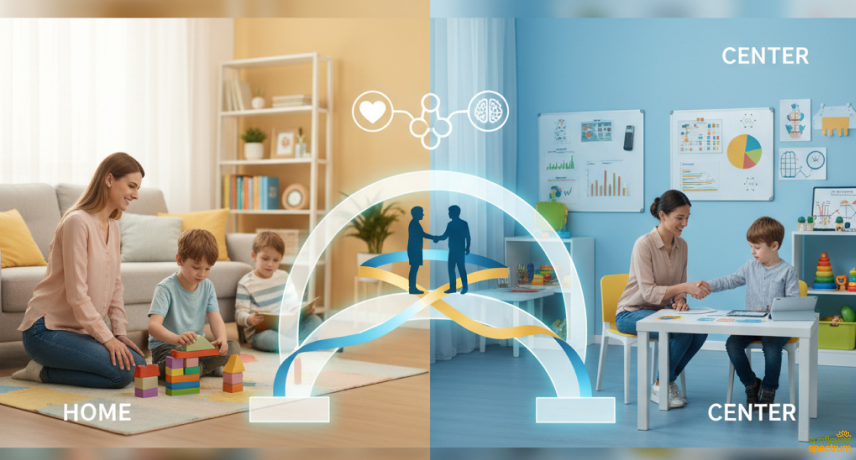
Parents bring heart. Therapists bring strategic hearts. When they meet in understanding, a bridge forms as one transforms lessons into lived experiences and other gentle care into progress.
Every child with autism grows within two worlds: the home and the therapy center. While one is filled with unconditional love, the other with structured learning. Growth happens most beautifully when these two worlds stop working in isolation and begin walking in tandem.
Parents bring heart. Therapists bring strategic hearts. When they meet in understanding, a bridge forms as one transforms lessons into lived experiences and other gentle care into progress.
This partnership is not about dividing responsibilities, but about weaving them together by creating a seamless rhythm between family life and therapy goals.
The Home: Where Lessons Become Life
Home is the heartbeat of learning. It’s where emotional safety meets repetition, where structured practice turns into spontaneous communication.
Parents are not just observers of therapy; they are co-therapists in daily life. Each word spoken, gesture modeled, or strategy reinforced at home deepens what is learned in therapy. Therapists are not miracle makers, unless parents reinforce the learning at home too.
How Homes Strengthen Growth:
- Active Participation: Parents stay curious by asking therapists what worked, what didn’t, and how to continue progress at home.
- Daily Reinforcement: Skills practiced in therapy are repeated naturally during play, mealtime, or bedtime.
- Shared Language: Using the same visuals, cues, and tone as the therapist helps the child feel safe and understood. Observe and actively take part in therapy sessions.
- Family Involvement: When siblings and grandparents follow similar methods, the child’s world feels predictable and nurturing.
A home that listens, observes, and applies doesn’t just support therapy: it amplifies it.
The Center: Guiding with Expertise and Empathy
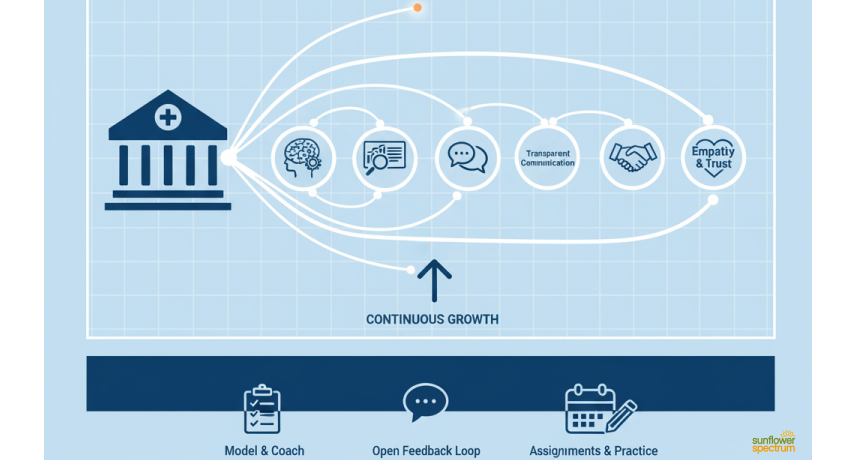
Therapy centers provide the technical framework, structured sessions, data-driven goals, and specialized tools. But their true success lies in how well they connect with families and children. A therapist who listens as much as they guide creates space for trust, feedback, and collaboration.
How Centers Contribute to Growth:
- Transparent Communication: Share objectives, strategies, and small victories with parents. Let them see the “why” behind each session.
- Model and Coach: Allow parents to observe sessions. Demonstrate techniques they can replicate at home.
- Open Feedback Loop: Encourage parents to share what worked during the week and what didn’t then adjust accordingly.
- Empathy in Practice: Recognize that parents carry emotional and practical weight. Gentle encouragement builds confidence.
- Assignments and Practice Work for Families: Therapists can give an assignment to families to create simple social stories, picture routines, or short daily tasks that help your child connect therapy lessons with real-life moments.
When centers invite families into the process, they turn therapy from a clinical routine into a collective mission.
The Bridge Between Home and Center: Shared Understanding
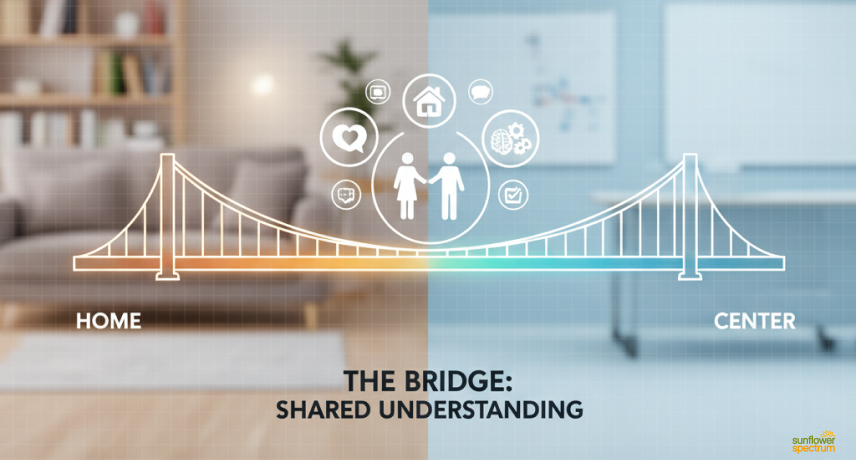
True progress begins where communication flows freely. A daily notebook, a quick call, or even a shared message board can make the difference between confusion and consistency.
A Strong Bridge Looks Like This:
- Parents ask: “What can I continue at home today?”
- Therapists ask: “What changes did you notice this week?”
- Both celebrate: a word spoken, a calmer morning, a new connection.
This rhythm of exchange ensures that the child experiences continuity. The same support, tone, and tools in both spaces. And for an autistic child, that consistency is comfort; it is safety.
But sometimes, despite best intentions, communication falters. Parents may feel unheard, or therapists may sense disengagement. These gaps are natural but they can always be repaired.
Rebuilding Steps:
- Pause and Reflect: Not to assign blame, but to understand what changed.
- Revisit the Child’s Current Needs: Has there been a sensory, emotional, or behavioral shift?
- Reset with Trust: Return to open, transparent dialogue. Trust rebuilds collaboration faster than perfection ever could.
Everyday Practices for Both Sides
Growth doesn’t require grand gestures. It only requires daily consistency.
For Parents:
- Take five minutes each day to connect with your therapist.
- Reinforce one new skill or calming strategy every day.
- Document small wins, they reveal patterns of progress.
For Centers:
- Keep communication channels open and welcoming.
- Share practical strategies with families, not just progress reports.
- Treat every parent as an expert in their child’s emotional world.
When both sides commit to small, daily acts of partnership, the child experiences the greatest benefit, predictability, encouragement, and trust.
Conclusion: Two Pillars, One Purpose
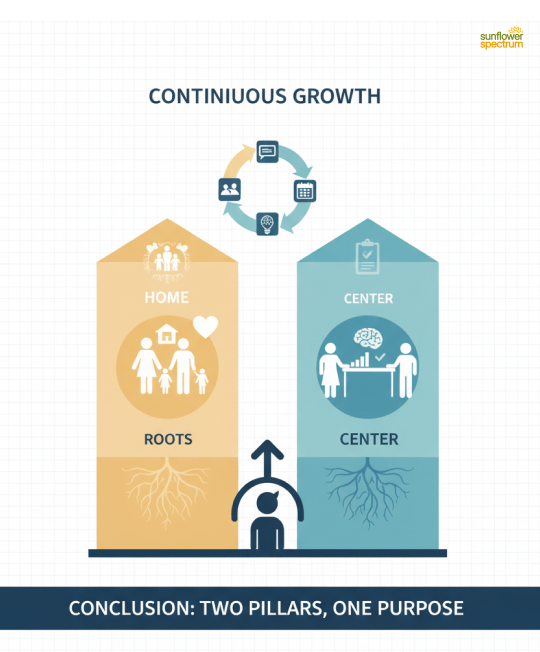
Home and center are not two separate stages of development. They are two sides of the same bridge. One provides roots, the other gives direction. Together, they form the foundation of an ecosystem where learning is consistent, care is shared, and growth becomes continuous.
Progress doesn’t live in therapy rooms or family homes alone. It thrives in the conversation between them. When parents and professionals listen to each other, learn from each other, and walk together, an autistic child flourishes in understanding.
Cite this article
Stuti Sapkota (2025). Home and Center - Building Alignment, Not Just Assistance. Sunflower Spectrum. https://www.sunflowerspectrum.com/blog/home-and-center-building-alignment-not-just-assistance