 18 May 2025
Honoring National Speech-Language Pathologist Day, May 18
Today, 18th of May, it’s more than just celebrating Speech-Language Pathologist (SLP) day. It’s a reminder: communication is a fundamental human need, and the people who help others access it are true changemakers.
Every voice deserves to be heard, even the ones that sound different or take time to emerge.
Communication disorders are often invisible, yet deeply impactful. A child with delayed speech, an adult recovering from a brain injury, or an autistic individual struggling to express emotions, they all face barriers that affect learning, relationships, confidence, and overall well-being.
Autism reveals how communication isn’t always about spoken words. It can be gestures, sounds, repeated phrases, or silence filled with meaning. Yet too often, these differences are misunderstood, overlooked, or labeled as deficits.
In places like Nepal with limited access to trained professionals and lingering stigma, it only makes harder for families to find support.
When a child is unable to express their needs and those around them lack the tools to understand, communication becomes a silent struggle.
Who SLPs Are
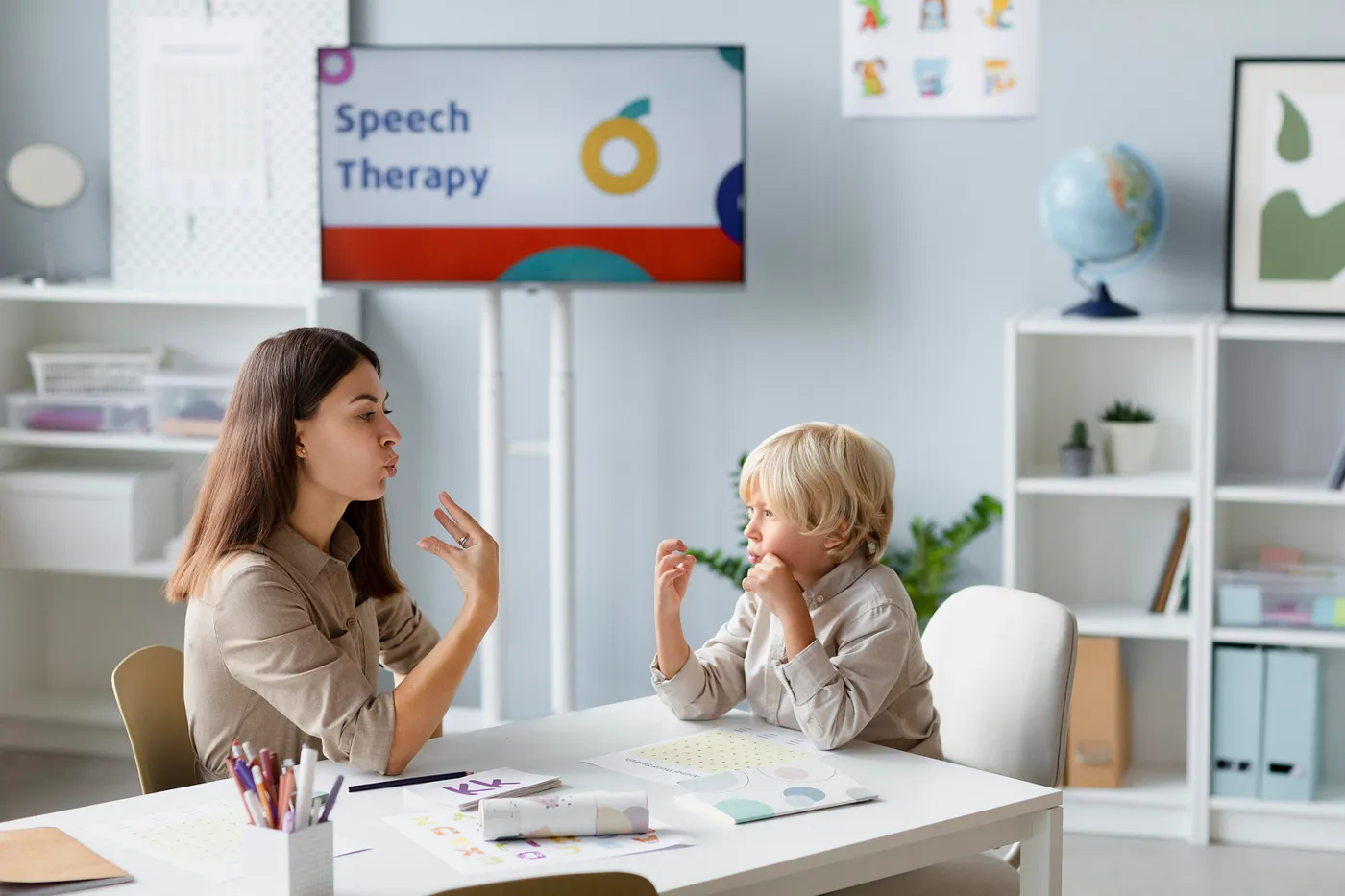
This is where Speech-Language Pathologists (SLPs) make a difference not just as therapists, but as connectors. They help individuals, including those with autism, find their voice in whatever form it takes. Using personalized therapy, communication tools, and deep empathy, SLPs guide people toward clarity, confidence, and connection. They work with families too, creating supportive environments where every way of communicating is valued and understood.
Speech-Language Pathologists are listeners, teachers, encouragers, and allies. Through personalized therapy, innovative tools, and deep empathy, they help individuals improve speech clarity, understand language, use alternative communication methods, and build the confidence to connect.
SLPs also empower caregivers and families to support communication at home, creating an ecosystem of understanding and progress. Whether working in schools, hospitals, rehab centers, or homes, they meet people where they are and walk with them to where they want to be.
And it’s happening everyday in quiet rooms where voices are just beginning to form.
Maya (Name changed) is a 3-year-old girl born prematurely. Her parents noticed she wasn’t breaking her voice like other children and babbling like other kids her age. Her mother followed her instinct and reached out to a local speech therapist.
Through play-based therapy and parent coaching, Maya started forming words. Two years later, she's not just speaking. She’s telling stories, expressing feelings, and making friends. For her family, speech therapy didn’t just give Maya a voice. It gave them hope.
Stories like Maya’s are becoming more common, as awareness grows and support becomes more accessible. Across Nepal, various organizations are working to provide speech therapy and communication support, including services tailored for individuals with autism.
What We Can do to Help Support People With Communication Challenges
If you or someone you love is on a similar journey, know that help is out there, and reaching out could be the first step toward meaningful change.
On this National Speech-Language Pathologist Day, let’s not limit ourselves to appreciation but take action.
If you know an SLP, thank them. A message, a social media post, or a warm “you’re making a difference” can mean the world.
If you or someone you love is facing communication challenges, don’t wait. Early intervention is powerful.
If you're an educator, parent, or health worker, consider inviting an SLP to your institution to spread awareness about speech and communication development.
- If you're inspired by their work, learn more about the field, and maybe, just maybe, join it. Nepal needs more passionate SLPs.
When a person finds their voice, we all become better listeners. Let’s take a moment to pause, reflect, and thank the compassionate professionals who help people find their voices in a world that often doesn’t wait for them.
Let’s build a world where everyone is heard, word by word, with heart.
Cite this article
Stuti Sapkota (2025). The Heart Behind Every Word. Sunflower Spectrum. https://www.sunflowerspectrum.com/blog/the-heart-behind-every-word