
 29 October 2026
Globally, about 2.4 billion people are currently living with a health condition that may benefit from rehabilitation, that is around 1 in 3 people.
Globally, about 2.4 billion people are currently living with a health condition that may benefit from rehabilitation, that is around 1 in 3 people.
It includes not only people with disabilities or long-term or physical impairments. Rather, rehabilitation is an essential health service for anyone with an acute or chronic health condition, impairment or injury that limits functioning.
WHO defines rehabilitation as “a set of interventions designed to optimize functioning and reduce disability in individuals with health conditions in interaction with their environment”.
With advancements in medical sciences, people are living longer, with the number of people over 60 years of age predicted to double by 2050, and more people are living with chronic diseases such as diabetes, stroke and cancer.
Rehabilitation complements other health interventions, such as medical and surgical interventions, helping to facilitate recovery and achieve the best outcome possible. It can help to prevent, reduce or manage complications
of a broad range of health conditions, including diseases (acute or chronic), illnesses or injuries.
Some examples of rehabilitation services include:
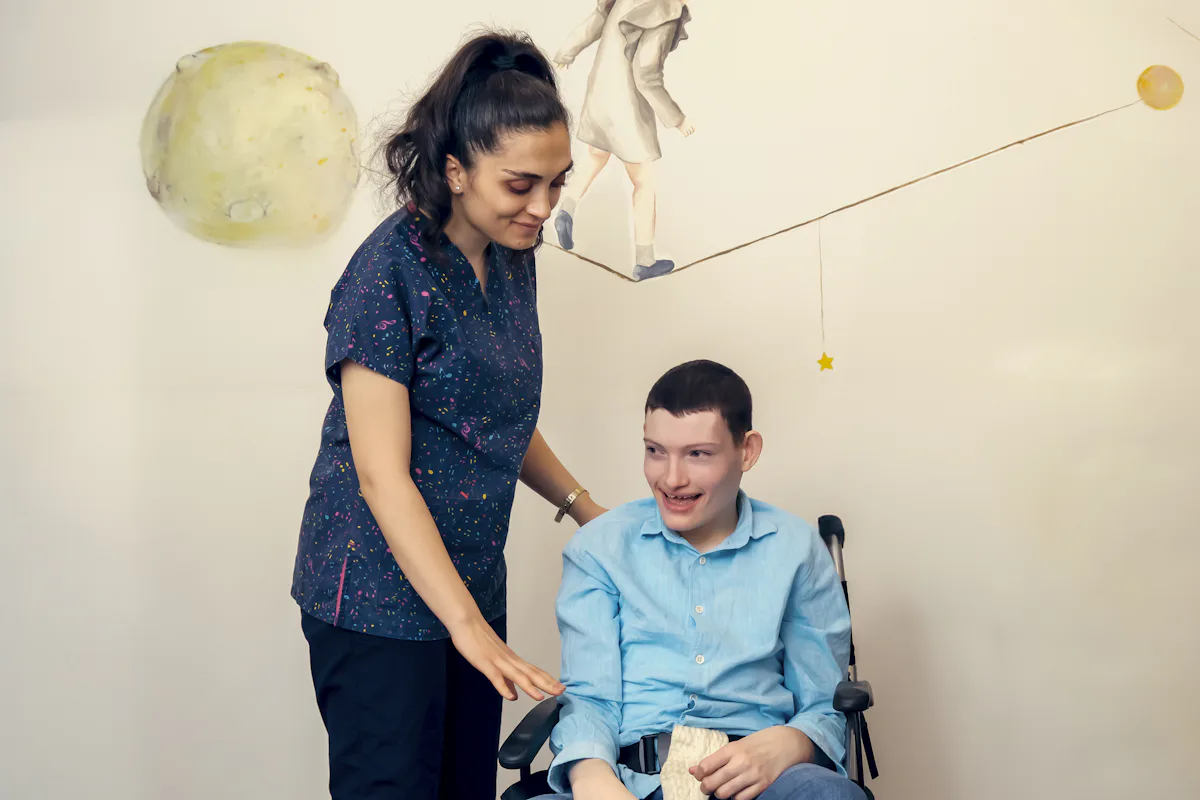
- Occupational therapists modifying an older person’s home environment to improve their safety and independence at home and to reduce their risk of falls, contributing to healthy ageing
- Speech language therapists providing speech and language training to improve a person’s communication after a brain injury
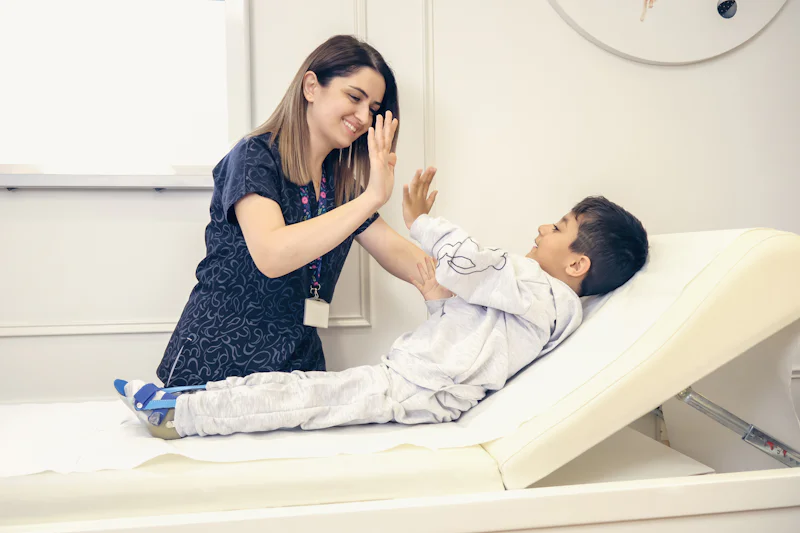
- Physical therapists working with a patient in intensive care to improve their breathing, prevent complications and speed their recovery after critical illness
- Educating a person with heart disease on how to exercise safely
- Prosthetists and Orthotists fabricating spinal braces for a person with developing spinal deformities
- PMRs prescribing medicine to reduce spasticity for a child with cerebral palsy
- Psychologists providing psychological therapies for a person with emotional distress following a spinal cord injury
- Prescribing assistive products like reading glasses, walker, hearing and communication devices, sensory devices, white canes.
- Social skills training for persons with schizophrenia, autism spectrum disorders or disorders of intellectual disability
Rehabilitation is highly individualized and is catered to a person’s needs, goals and what they find meaningful. Rehabilitation can be provided in many different places, such as inpatient or outpatient hospital settings, outpatient physio- or occupational therapy practices, and community settings such as an individual’s home, a school or a workplace.
A good rehabilitation service will have a multidisclipinary team comprising
of different health workers, including but not limited to occupational therapists, physiotherapists, speech and language therapists and audiologists, orthotists and prosthetists, clinical psychologists, physical medicine and rehabilitation doctors, and rehabilitation nurses. Many other health workers, such as general practitioners, surgeons, social workers and community health workers may also play an important role in a person’s rehabilitation.
Rehabilitation practically is an investment with long term social, economic and health benefits as it helps to avoid costly hospitalization, reduce hospital length of stay, and prevent re-admissions, return to work and employment, or to remain independent at home minimizing the need for caregiver support.
Being an important part of universal health coverage, a key strategy for achieving Sustainable Development Goal 3 – “Ensure healthy lives and promote well-being for all at all ages”, rehabilitation is emphasized upon by many governments around the world.
It is estimated, however, that in low- and middle-income countries, more than 50% of people do not receive the rehabilitation they require.
For a country like Nepal, the scarcity of qualified workforce, lack of awareness and education, our geography, poor availability of resources, improper implementation of health plans, leadership and governance, unavailability of academic institutions for related programs, lack of dedicated rehabilitation infrastructrures play a major role in the gap in rehabilitation services.
The 2015 earthquake was a major awakening call for need of rehabilitation in emergencies which generated an overwhelming rehabilitation needs, health system preparedness and early response.
In Nepal, Leprosy Control and Disability Management Section(LCDMS) under Department of Health Services(DoHS), Ministry of Health and Population(MoHP) is the focal unit for disability, rehabilitation and related activities. LCDMS works in coordination with various organisations like Handicap International(HI)- Nepal, World Health Organisation(WHO)-Nepal, and various levels of hospitals/ health care centres to expand its rehabilitation activities to align with the Universal Health Coverage(UHC).
Currently, majority of the required rehabilitation services(around 90%) is being provided by private sector including INGOs, NGOS and private clinics. Nepal Government is actively developing plans and policies to expand rehabilitation services in collaboration with various ministries.
Rehabilitation is neither a luxury health service nor an optional one. It is an essential part of health care, requiring to be delivered alongside other health interventions. Ensuring quality rehabilitation services for all enables a child, adult or older person to be as independent as possible in everyday activities and enables participation in education, work, recreation and meaningful life roles. Rehabilitation is essential, for all.
By Ganga Gurung, occupational therapist. Published exclusively on Sunflower Spectrum.
Published exclusively on Sunflower Spectrum.
- Tags:
- Occupational Therapy
Cite this article
Ganga Gurung (2026). Rehabilitation for All. Sunflower Spectrum. https://www.sunflowerspectrum.com/blog/rehabilitation-for-all