
 23 October 2026
This article, dedicated to Autism Awareness and Acceptance Month, interviews Ganga Gurung, co-founder of Bloom Park Clinic about the transformative power of occupational therapy in overcoming…
Synopsis: This article, dedicated to Autism Awareness and Acceptance Month, interviews Ganga Gurung, co-founder of Bloom Park Clinic about the transformative power of occupational therapy in overcoming challenges. It also discusses the evolving landscape of occupational therapy in Nepal, where collaborations between government agencies, healthcare providers, and educational institutions promote inclusivity and accessibility for all students. The message is to embrace inclusivity, foster resilience, and nurture the boundless potential within each child.
By Ritika Shakya
1. What is occupational therapy, how does it benefit students in the school setting, and what specific skills does it target?
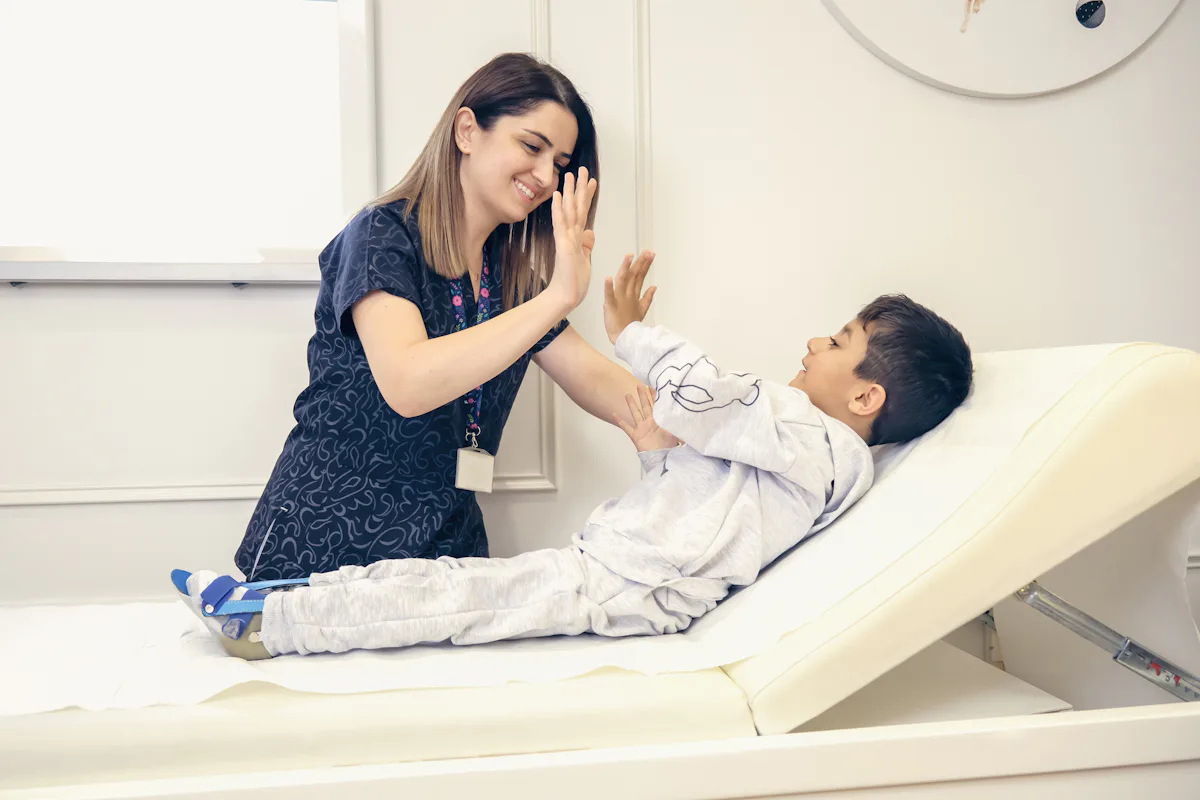
Occupational therapy (OT) is a client-centered health profession that enable individuals participate in everyday tasks necessary for participation in home, school, workplace and community. In schools, occupational therapy focuses on a variety of skills that prevent children from participating, including learning challenges, autism, ADHD, handwriting issues, and emotional management. By tailoring interventions to individual needs, occupational therapy promotes inclusive education, increases accessibility, and enables academic and social success.
2. Is psychotherapy the same as occupational therapy?
No, psychotherapy is a treatment technique whereas occupational therapy is a healthcare profession. Psychotherapy addresses deeper emotional and psychological difficulties through counseling and intervention by psychologists or professional psychotherapists or mental health occupational therapists. Occupational therapy focuses on particular skills that prevent participation in everyday tasks. OT is a client-centered approach, using approaches such as sensory integration and adapted equipment to improve academic and social results.
3. Can you elaborate on some common challenges or disabilities that occupational therapy addresses among school-aged children?
Occupational therapy (OT) has concrete evidences in addressing a variety of conditions and disabilities in school-aged children, such as learning disabilities, Autism Spectrum Disorder, ADHD, ADD, handwriting difficulties, sensory processing disorder, mental health conditions, emotional dysregulation, cerebral palsy, Down Syndrome to name a few. Occupational therapists work to improve students' academic achievement, social participation, and general well-being in the school setting by conducting extensive evaluations, creating targeted interventions and providing individualized or group therapies. For example, OT interventions may include implementing multisensory techniques to improve dyslexic students' reading fluency, providing sensory integration therapy to assist autistic individuals to better regulate/process the sensory information, and teaching self-regulation and organisational strategies to help ADHD students manage attention and impulsivity. Occupational therapists help students with handwriting difficulties by focusing on fine motor skills and pencil grasp and developing coping and adaptive stress response techniques for emotional dysregulation or mental health conditions. We work with educators, families, and professionals to promote inclusivity, accessibility, and success in school settings.
4. What are some innovative strategies or techniques occupational therapists use to support academic and social success?
Occupational therapists employ a wide array of innovative and creative approaches to support students' academic and social success in school settings. We focus on relationship-building, task modification like breaking down a homework into parts, environment modification like modified seats or adapted writing utensils or adapted desk angle, creating routines or to-do lists to reduce cognitive load, sensory integration and processing attain optimal function level, structured leisure participation, assist in play with peers which are extremely client-centered, involving students in goal-setting and decision-making processes. Adaptive equipments and assistive technologies are used to access or promote education and independence in daily tasks. Family and educators are closely collaborating to create a supportive and inclusive learning environment. Training sessions and resources can be offered to parents and teachers, empowering stakeholders to reinforce therapeutic strategies and promote continuity of care beyond therapy sessions. This holistic approach addresses individual needs, fosters collaborative partnerships, and nurtures potential.
5. Could you share some success stories or case studies illustrating the positive impact of occupational therapy interventions in Nepal?
Occupational therapy is the key to facilitating school success, fostering positive outcomes, sustainability and enabling children across various contexts. For example, a young student in a Kathmandu school improved academic performance and social engagement through targeted interventions, including sensory integration techniques, tasks modification and personalized support. Occupational therapy is also transformative for children/people with physical disabilities due to congenital/genetic conditions, accidents or injuries. By providing adaptive equipment and therapeutic activities, OTs have enabled these individuals to regain independence and actively participate in their communities.
6. What are some key considerations or trends shaping the future of occupational therapy in Nepal?
In Nepal, occupational therapy is positioned to evolve and expand its effect outside typical healthcare settings. Government organizations, healthcare providers, and educational institutions are working together to improve accessibility and inclusion for all students but there is still a long way to go. By incorporating occupational therapy into the educational environment, stakeholders hope to guarantee that kids with various needs receive the assistance they require to thrive academically and socially. This collaborative approach highlights the value of multidisciplinary collaboration and the role of occupational therapy in supporting holistic development and well-being among Nepalese students. As occupational therapy's impact grows, it is projected to play an increasingly important role in influencing the future of education and creating a more inclusive and supportive learning environment for all.
7. How can occupational therapy services ensure accessibility for families facing financial constraints?
If parents face financial constraints that prevent them from attending regular occupational therapy sessions, it is critical to emphasize that therapeutic accessibility is not limited to financial resources. While regular sessions are desirable, therapy can also be useful with irregular visits. Parents can bring their children for weekly or monthly follow ups and receive individualized guidance to help them maintain therapeutic activities at home. Occupational therapists play an important role in providing parents with strategies and interventions for supporting their children's needs, ensuring continued support even outside of professional therapy sessions.
A message to everyone
Humans are not perfectly tuned bicycles. Understanding the specific needs of individuals, particularly children with disabilities, within their home and community is imperative. Play or any form of physical activity and socioemotional connection are critical to nurture healthy growth and development. Care of the carer is also crucial. It's similar to fastening one's oxygen mask before assisting others. So, let us take care of ourselves to care for our children, to create a society where everyone can thrive.
Ganga Gurung, a Pediatric Occupational Therapist with 5 years of experience in Nepal, has worked as a freelance consultant for adult health services and documentation with the government. She is also a leader in the Indian Association of Occupation Therapy International Chamber Project, secretary of the Association of Nepal Occupation Therapy, and co-founder of Bloom Park Clinic and Bloom Park Store.
Interview with Ganga Gurung, occupational therapist, by Ritika Shakya. Published exclusively on Sunflower Spectrum.
Published exclusively on Sunflower Spectrum.
Contributing professional
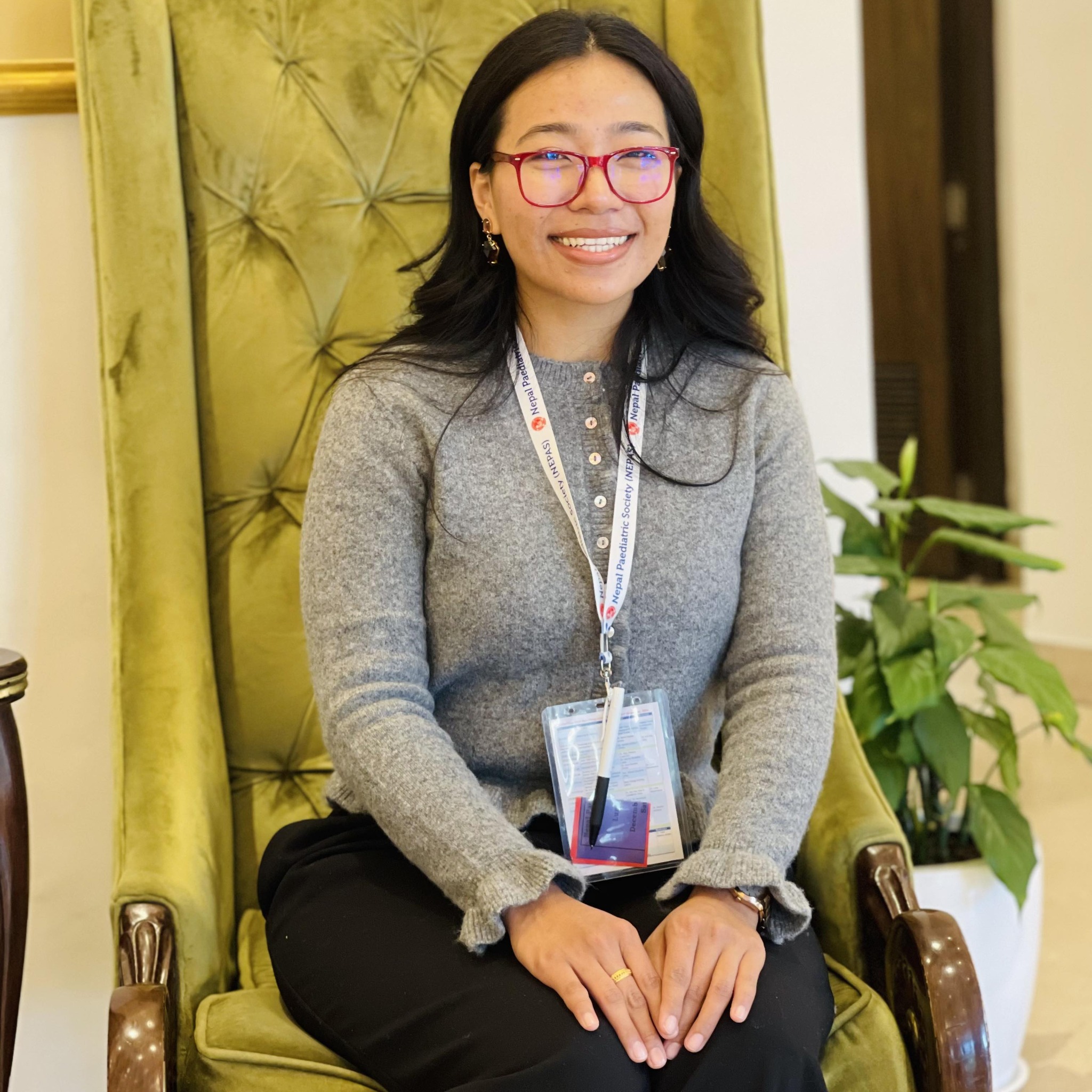 Ganga Gurung
Occupational Therapy
In partnership with

Cite this article
Ritika Shakya with Ganga Gurung (2026). Empathy in Action - Occupational Therapy in Nepal. Sunflower Spectrum. https://www.sunflowerspectrum.com/blog/empathy-in-action-occupational-therapy-in-nepal