

 2 November 2026
It’s assessment day. Both parents, mom and dad, walk into the therapy center, a little anxious, a little hopeful. They sit across the clinician for the first evaluation of their child. Questions are…
It’s assessment day. Both parents, mom and dad, walk into the therapy center, a little anxious, a little hopeful. They sit across the clinician for the first evaluation of their child. Questions are asked, observations are made, and both parents nod in agreement.
But fast forward a few weeks into therapy, and something shifts. It’s often the mother who becomes the primary caregiver in the therapy journey. She’s the one bringing the child in and out of sessions. She’s the one updating the therapist on changes at home, tracking progress, and carrying messages from clinic to school and back again. She becomes the anchor between professionals and the child’s everyday life.
Meanwhile, the father is often seen only during that first visit, or at best, occasionally.
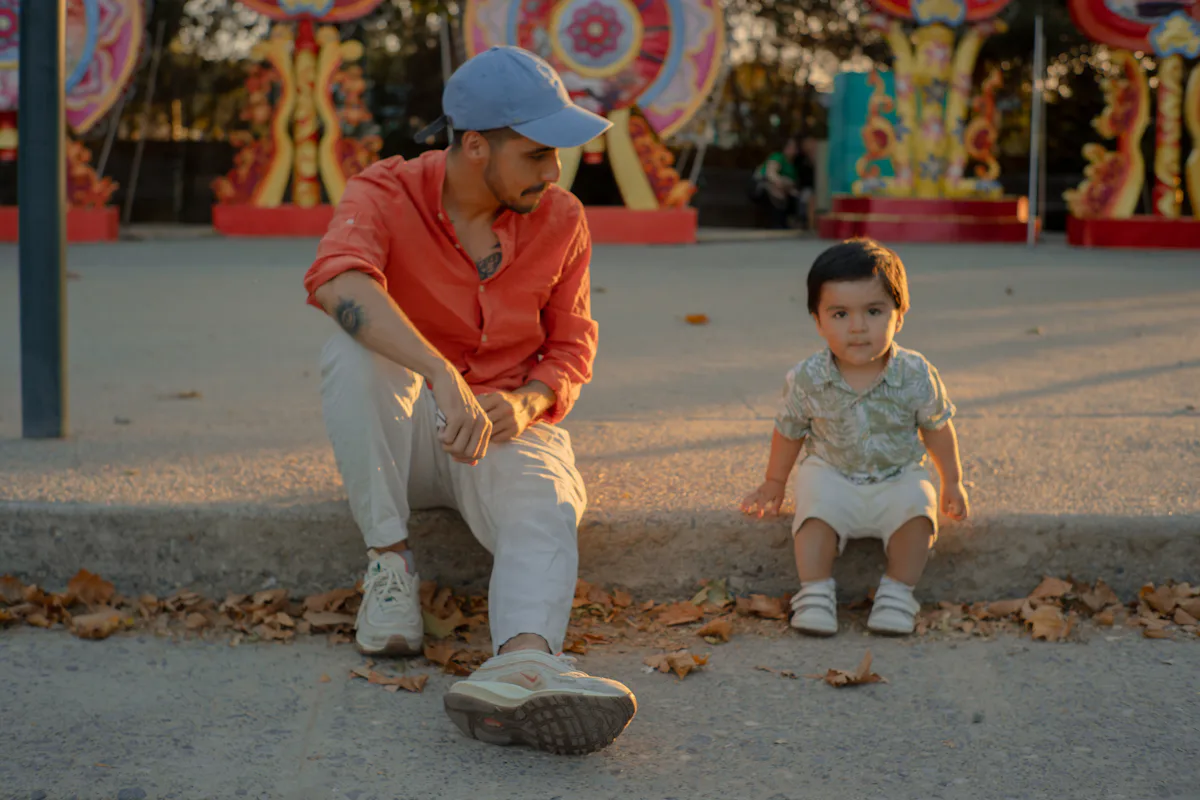
This is not to place blame or question love. In many families, traditional roles, work demands, and societal expectations shape this pattern. But every now and then, something refreshingly different happens. A dad shows up. Week after week. Sometimes before heading to work, sometimes after a night shift. He asks questions. He learns. He plays with his child during therapy. He even takes notes. These dads may not always say much, but their presence speaks volumes.
More Than Just Showing Up
When dads actively engage in their child’s development journey, it is more than a gesture. It challenges a deep-rooted stereotype: that fathers are not emotionally involved, especially when it comes to caregiving or therapy. We’ve long celebrated “strong dads” as protectors and providers. But modern fatherhood is expanding, and beautifully so- to include nurture, presence, and emotional attunement.
A dad reading a sensory report. A dad learning to use visuals to help with transitions. A dad practicing play-based exercises at home. These are not minor acts. These are quiet revolutions.
And children notice. Research and real-life experiences tell us that when both parents are engaged, children feel more supported, secure, and motivated. They thrive not just because of therapy, but because of the trust and emotional safety that surround them.
Why Dad's Role Matters in Therapy
In developmental and pediatric therapy, consistent caregiver involvement is a strong predictor of progress. Dads bring their own energy, perspective, and ways of connecting with their children. Sometimes a dad’s playful roughhousing becomes a perfect tool for proprioceptive and vestibular input. Sometimes a dad’s calm presence helps a child who’s overwhelmed. Other times, it’s the simple fact that the child sees both parents working as a team.
For mothers, too, this shared involvement can be a source of relief and strength. Caregiving can be exhausting, emotionally and physically. When fathers participate more equally, it eases the burden and reinforces the idea that parenting a neurodivergent or disabled child is not a “mom’s job”, it’s a family’s journey.
Making Room for Fathers
It’s important for professionals; therapists, educators, clinicians; to also make space for fathers in the conversation. Often, the language we use, or the way appointments are structured, assumes mothers will take the lead. Inviting dads to participate doesn’t mean sidelining mothers. It means creating inclusive spaces where every caregiver is seen, heard, and empowered.
For dads who want to be more involved but don’t know how to begin, here are a few starting points:
- Attend therapy sessions regularly, even if it’s once a week.
- Ask questions, even if they feel basic.
- Learn the terms your therapist uses and ask how you can help at home.
- Take turns bringing your child to therapy or school meetings.
- Share your own observations. You might notice something others missed.
- Most importantly- play, talk, and connect with your child every day.
A New Story of Fatherhood
When dads step up, not just financially or occasionally, but emotionally and consistently, it’s not just a sign of a progressive society. It’s a sign of healing, inclusion, and a future where caregiving isn’t gendered, but shared.
So to the dads who show up, speak up, and lean in: thank you. You are breaking stereotypes. You are reshaping fatherhood. And most importantly, you are making all the difference in your child’s world.
By Ganga Gurung, occupational therapist. Published exclusively on Sunflower Spectrum.
Published exclusively on Sunflower Spectrum.
- Tags:
- Parents
Cite this article
Ganga Gurung (2026). When Dads Step Up. Sunflower Spectrum. https://www.sunflowerspectrum.com/blog/when-dads-step-up