
 20 June 2025
“I have Asperegers and that means I’m sometimes a bit different from the norm. Given the right circumstances, being different is a superpower” - Greta Thunburg, On why her Autism is a Strength A message of acceptance and understanding for Neurodiversity Month
I've always been one of those people who pondered the "whys" of the world: Why do people do what they do? Why are we the way we are? My mind constantly sought answers, patterns, and explanations. Yet, sometimes, the most profound lessons arrive when you realize not every "why" needs an answer, and in fact, some of life's deepest beauty lies simply in acceptance. This realization wasn't just an eye-opener for me; it shifted my perspective entirely, prompting a new, more vital question: Why can't we all just accept people for exactly who they are?
This Neurodiversity Week, I'm honored to share a story that profoundly shaped this understanding for me. It's a real, raw, and incredibly honest account, shared with their full consent, from someone whose journey truly embodies the spirit of embracing neurodiversity. Their identity remains private, not to hide, but to foster a powerful connection: from one unknown individual to another, united by a shared human experience.
This is their story, written with their voice, and it's a testament to the transformative power of love, understanding, and radical acceptance.
Our family doesn’t exactly run on routine. We run on curiosity, chaos, snacks, and the occasional existential question about clouds at 2 a.m. Some call it neurodivergence. We just call it Tuesday.
One of our kids is wired a little differently. And yes, it took us a while to realize that this “different” wasn’t a problem to solve; it was a story to understand. Not a sad one. Not a miraculous one either. Just one filled with love, learning, and the occasional meltdown over mismatched socks.
And if that sounds familiar, welcome. You’re in good company.
Understanding Neurodiversity: It's About Brain Variation
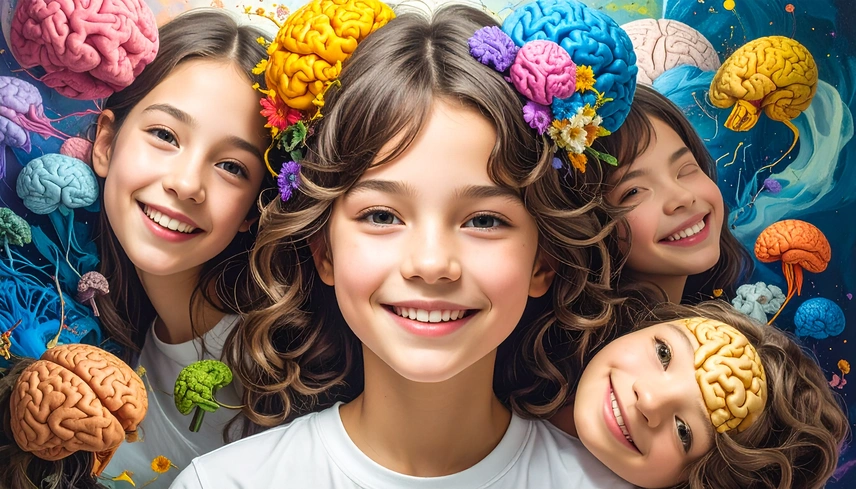
Neurodiversity simply means that brains work in more than one way. Some people are wired for routine, some for rhythm, some for chaos theory. Others are wired for facts about existential reasonings no one asked for at dinner. But everyone ends up Googling by dessert.
In our home, neurodiversity shows up as sharp logic, big emotions, hyperfocus, and lots of questions. Sometimes too many questions. And yet, I’ve learned more from my neurodivergent child than from any parenting book I ever skimmed between needing to sleep and wanting to learn.
From Parental Panic to Powerful Perspective: Embracing a Different Path
When we first started noticing signs (the sensory sensitivity, the different way of processing emotions), I did what many parents do: panic-Google. I fell into the spiral of “what ifs.”
- What if school was hard?
- What if friends didn’t get them?
- What if I didn’t?
Turns out, most of those “what ifs” never came true. And the ones that did? We handled them. Together.
The big shift happened when I stopped trying to change them and started learning from them. The world they live in isn’t broken. It’s just different. And surprisingly, that difference is beautiful once you stop resisting it.
Why Celebrating Neurodivergence Matters for All of Us
Let’s be honest; society loves a mold. Standard sizes, standard scores, standard ways to behave in a waiting room. But our child doesn’t fit into that mold. And the truth is, very few people do.
So, instead of constantly squeezing them into spaces that don’t fit, we started building spaces with them. Conversations that work for them. Routines that honor their needs. Celebrations for things others might miss, like wearing “itchy” pants for a full five minutes without screaming.
Because every child, neurodivergent or not, deserves to be seen for who they are, not who they’re expected to be.
Everyday Life with a Neurodivergent Family
You want to know how everyday life of a neurodivergent family looks like? A short answer: Real, Messy, and Wonderful
Let me paint a picture: It’s 7 a.m. One child wants boiled eggs perfectly peeled. Another wants to debate the usage of petroleum fuels. My partner wants to have their breakfast in peace. I want coffee. None of us get exactly what we want, but we all survive.
That’s life with neurodivergence. It’s not a tragedy. It’s not a superpower either. It’s just life. Real, messy, occasionally hilarious life.
There are challenges, of course. But there are also bursts of clarity, honesty, and brilliance that remind me this child sees the world in a way that matters. Even if that world sometimes smells like markers and sounds like Minecraft.
How You Can Support Neurodiversity (Even Without a Diagnosis)
You don’t have to be a parent of a neurodivergent child to support neurodiversity. You just have to be a person who listens, respects differences, and sometimes chooses kindness over comfort.
Here’s what helps:
- Be patient when someone’s not communicating in the “usual” way.
- Ask before assuming. Not all stimming means stress. Not all quietness means sadness.
- Stop comparing. Celebrate progress, not perfection.
- Normalize different needs. Noise-canceling headphones, fidget toys, social scripts; they’re tools, not crutches.
And remember: your “weird” might be someone else’s wonderful.
Final Thoughts: Different Is Not Less, It's Unique
If I have learned anything from raising a neurodivergent child, it’s this: different does not mean broken. In fact, different often means brave, observant, creative, and deeply, deeply wise.
So let’s stop labeling differences as problems. Let’s stop treating neurodivergent kids like puzzles to fix or problems to manage. They’re people, just like you and me. Only with stronger opinions on sock texture.
And honestly? The world is better for it.
Key Takeaways for Neurodiversity Awareness & Acceptance:
- Neurodiversity is a natural variation in how brains work; it's not a flaw.
- Celebrating differences starts with curiosity, not correction.
- Life with neurodivergent individuals may be messy but is full of insight and depth.
- Everyone can support neurodiversity by listening, adapting, and respecting individuality.
- The goal isn’t to make them more like us; it’s to make us better at including everyone.
Cite this article
Anurag Sharma (2025). We’re All a Little Offbeat: Celebrating Neurodiversity, Starting at Home. Sunflower Spectrum. https://www.sunflowerspectrum.com/blog/were-all-a-little-offbeat-celebrating-neurodiversity-starting-at-home