
 30 October 2026
Motherhood, in all its forms, is an act of resilience. But for mothers of children with additional needs, resilience is not just a trait—it becomes a way of life. Every milestone, challenge, and…
Motherhood, in all its forms, is an act of resilience. But for mothers of children with additional needs, resilience is not just a trait—it becomes a way of life. Every milestone, challenge, and triumph is magnified, making their journey both extraordinary and emotionally demanding.
In my six years of clinical practice, I have worked closely with countless children and families, and oftentimes it is the mothers I end up forming close bonds with. Leaving behind promising careers, some mothers leaving behind husbands or families, the stories of their grit and determination leaves one awestruck. Through this article, I want to explore the lived experiences of mothers raising children with autism, cerebral palsy, Down syndrome and other developmental challenges. Through an occupational therapist perspective, I will uncover the emotional rollercoaster they navigate, the coping mechanisms that sustain them, and how society can provide the support they truly deserve.
Every mother starts with dreams for her child—of laughter-filled childhoods, academic achievements, and a bright future. But when a medical diagnosis enters the picture, those dreams shift. The love remains, but now it is intertwined with grief, uncertainty, and fierce determination. As I hear this story from countless mothers, "When the doctor told me my daughter was autistic, my world paused. I didn't cry at first—I just listened, trying to make sense of words I had never even heard or deeply understood before.”
The emotional impact of diagnosis is often overlooked. Many mothers go through a cycle of denial, fear, guilt, and eventual acceptance—but the journey is never linear. Understanding this emotional toll is crucial in offering them the right support.
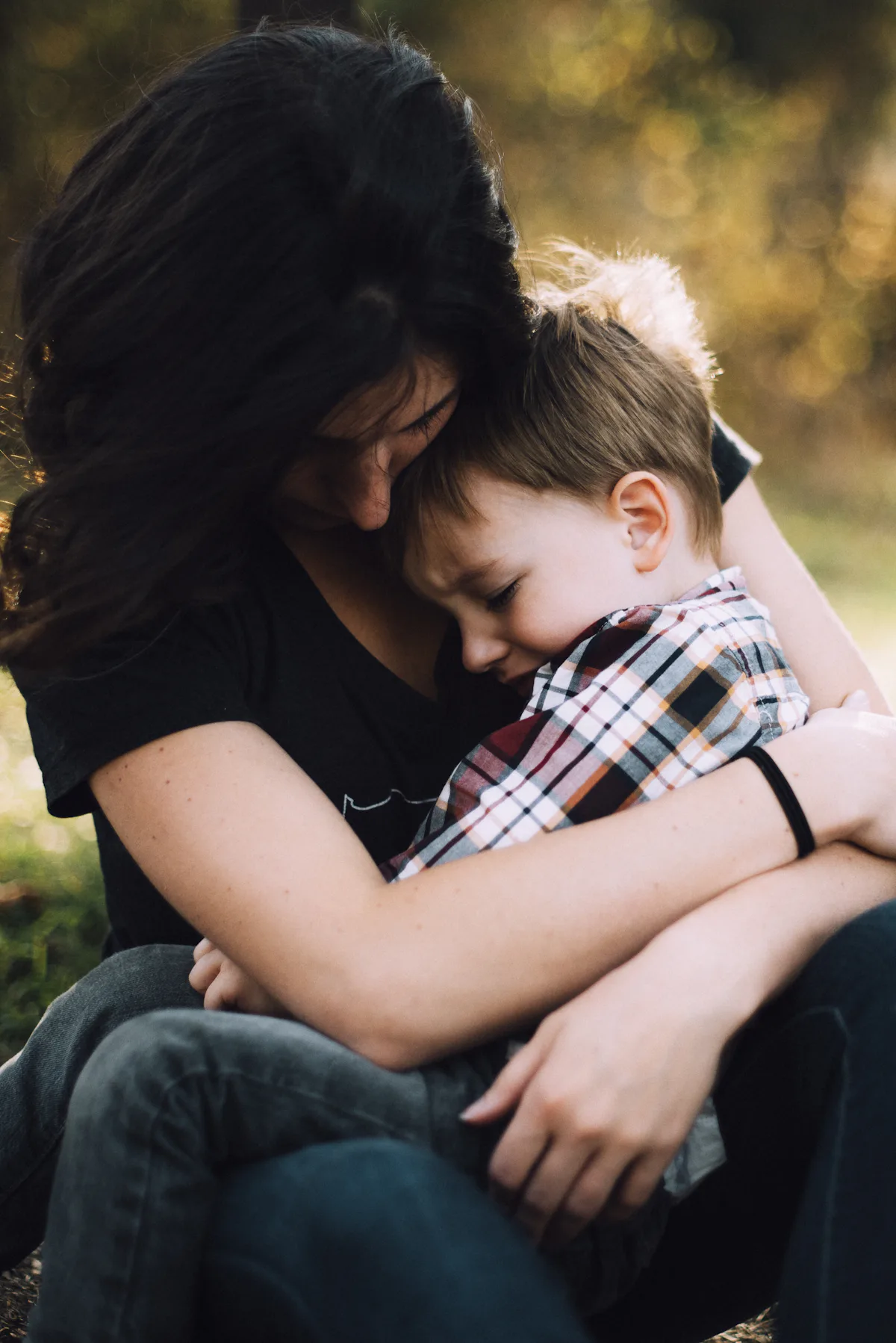
Mother go through an emotional rollercoaster of fear, strength and finding joy in small wins.
Mothers face daily battles in the form of advocating for services, navigating judgment, self-doubt and burnout. Whether it’s fighting for an inclusive school, therapy, or medical support, mothers become warriors for their children’s rights. Family members, friends, and even strangers often misunderstand the child’s condition, leading to unsolicited advice, blaming on parenting or isolation.The constant need to “do everything right” can drain a mother’s emotional and physical energy.
Despite these struggles, mothers of children with additional needs redefine success. A single word spoken, a step taken, or a hug initiated by their child can mean the world. The resilience of these mothers is built in the moments no one else sees—the quiet tears after a tough therapy session, the deep breaths before advocating for inclusion, and the unwavering belief that their child is capable, no matter what the world says.
Thus, it is crucial that mothers develop coping mechanisms to sustain their strength because with time, therapy, education and counselling, they understand that resilience isn’t just about enduring challenges; it’s about finding ways to recharge and keep going.
Some strategies that help mothers thrive are seeking community, educating themselves, self-care, without guilt and advocacy as empowerment. Support groups and trainings, online forums, and therapy communities provide a safe space to share struggles and wins. Many mothers become experts in their child’s condition, empowering themselves to make informed decisions. Prioritizing mental and physical health allows them to care for their child more effectively. I personally know few mothers who have turned their experiences into activism, pushing for better policies and awareness.
A grievance I have with our society is how poorly we try to support and uplift these mothers. While mothers of children with additional needs are resilient, they shouldn’t have to do it alone. Society plays a crucial role in lightening their load. Awareness & acceptance, inclusive education, empathy over judgment, workplace flexibility and financial or emotional support are some ways in which a society can support our mothers. Educating the public about disabilities to reduce stigma, ensuring schools have proper support systems for neurodivergent and physically challenged children could be our way to show “we are with you”. Offering understanding instead of unsolicited advice, providing parents with additional-needs children flexible work policies and access to government aid, therapy insurance, and mental health counseling can tremendously change the trajectory of their quality of life.
Finally, celebrating the unbreakable spirit of mothers I have worked with, I can more than say that mothers of children with additional needs are more than caregivers—they are advocates, teachers, and unwavering sources of love and strength. Their journey is not easy, but it is filled with deep meaning, small victories, and a love that transcends every challenge.
As a society, we have a responsibility to stand beside them—not just with words, but with real action. By offering support, breaking down barriers, and celebrating their resilience, we can create a world where both mothers and their children thrive.
To every mother raising a child with additional needs: Your strength is seen. Your love is powerful.
To the mothers I’ve worked with, thank you for always inspiring me with your journey, which is tough, but is one of the most beautiful testaments to resilience.
By Ganga Gurung, occupational therapist. Published exclusively on Sunflower Spectrum.
Published exclusively on Sunflower Spectrum.
Cite this article
Ganga Gurung (2026). Raising a Child with Additional Needs: An Ode to a Mother’s Journey of Strength. Sunflower Spectrum. https://www.sunflowerspectrum.com/blog/raising-a-child-with-additional-needs-an-ode-to-a-mothers-journey-of-strength