
 7 July 2025
True inclusion goes far beyond just sitting in the same classroom. “Inclusion means showing love and respect, and reminding every child that they are enough,” he said.
Kathmandu, July 5th
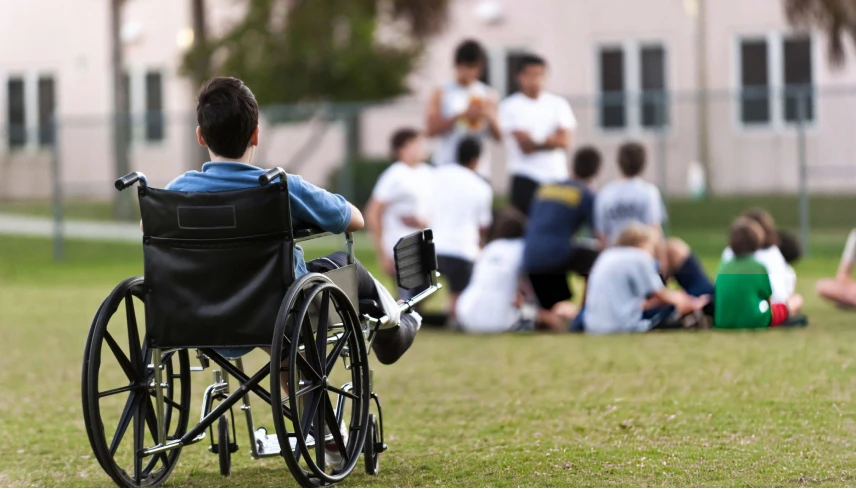
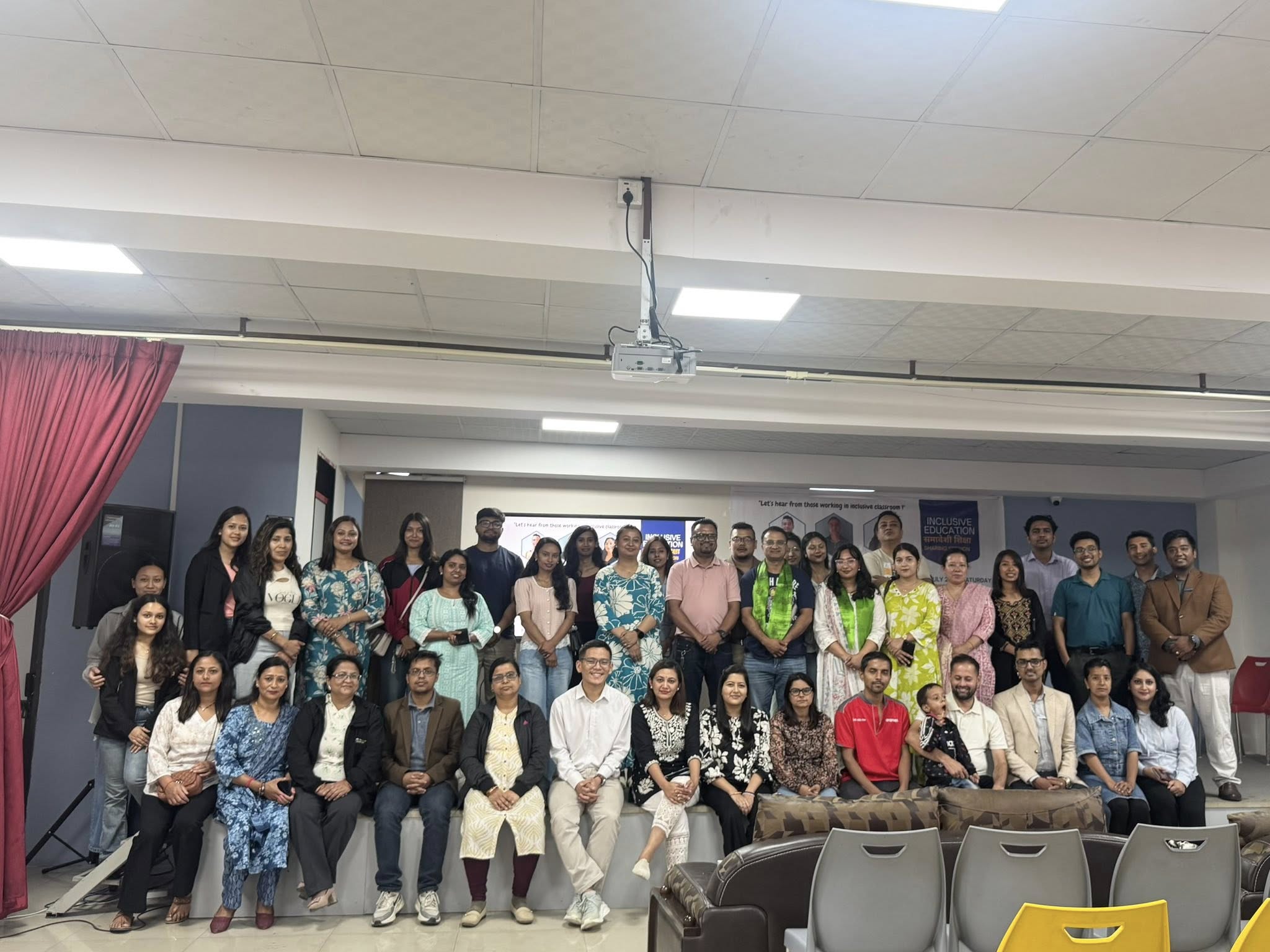
A workshop on inclusive education took place this Saturday, 5th of July in Kathmandu, gathering educators, therapists, parents, and advocates who all shared one goal: to build learning spaces where every child feels supported and respected.
The event was organized by PRAN (Physiotherapy Rehabilitation Association Nepal) in association with KUSOED (Kathmandu University School of Education). It was sponsored by Sunflowerspectrum by RxPIN, an autism consciousness initiative, and supported by different organizations working for the neurodivergent community in Nepal.
The program started at 2:45 PM with participants eager to learn how to make education more inclusive, especially for children who have learning differences or disabilities.
Keynote Speakers Shared Global and Personal Perspectives
Two keynote speakers brought international experience into the room.
Mr. Sujal Pokharel, a speech-language pathologist working in California and an IEP team member, reminded everyone that true inclusion goes far beyond just sitting in the same classroom.
“Inclusion means showing love and respect, and reminding every child that they are enough. Simply placing a child in a general classroom is not being inclusive.” he said.
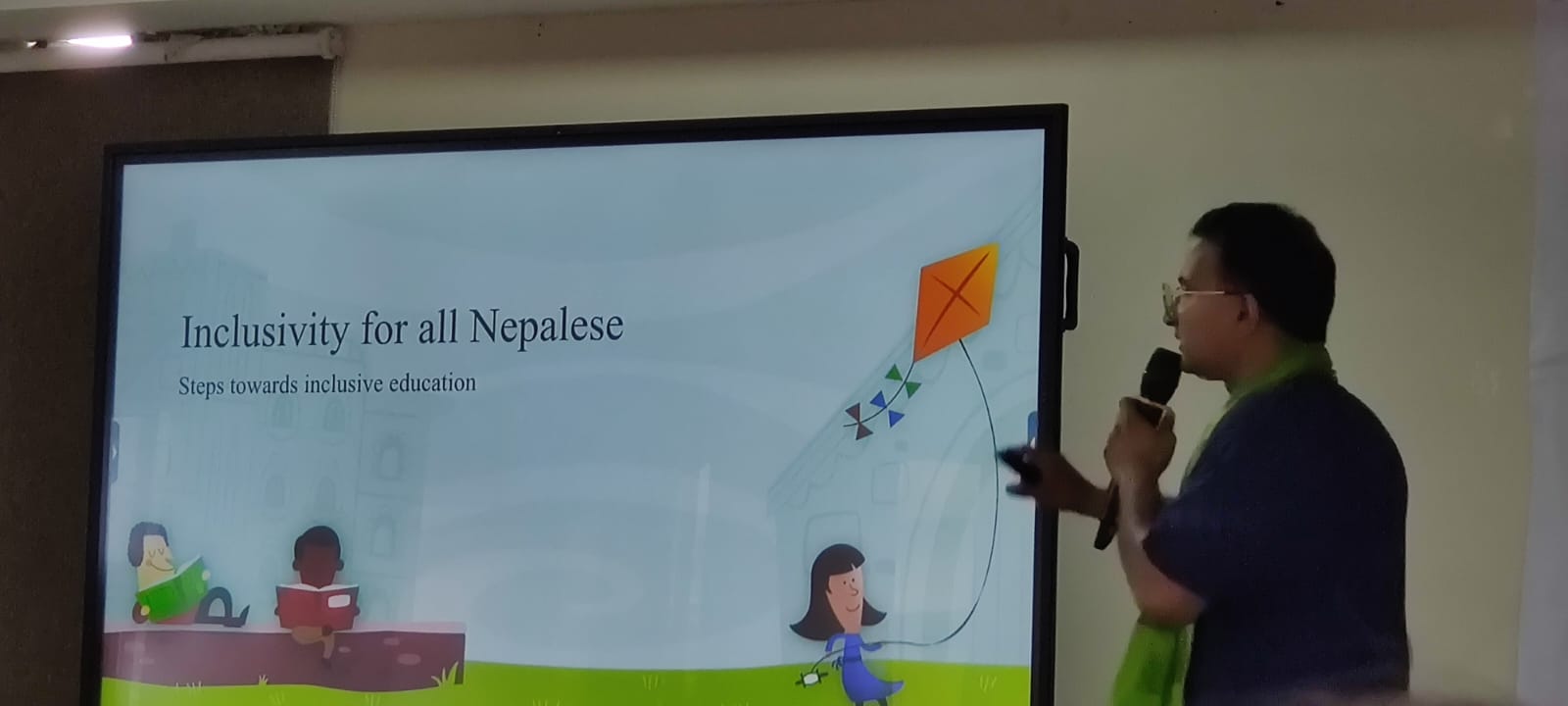
He spoke about how inclusive education welcomes and values all students, no matter their abilities or backgrounds. It doesn’t just help children academically, it also builds confidence, social skills, and prepares them for life.
Mr. Pokharel shared examples from the United States, such as the 504 Plan and FAPE (Free Appropriate Public Education), which make sure children with disabilities get the adjustments they need. He also talked about small but powerful changes, like placing inclusive classrooms closer to entrances so students don’t get physically exhausted.
If a child struggles, he said, it’s often a sign to look deeper and see what support they might need, not something to punish or label.
Ms. Simran Thapa, a dyslexia interventionist and IEP team member based in Texas, spoke about four common types of learning disorders that teachers and parents often overlook.
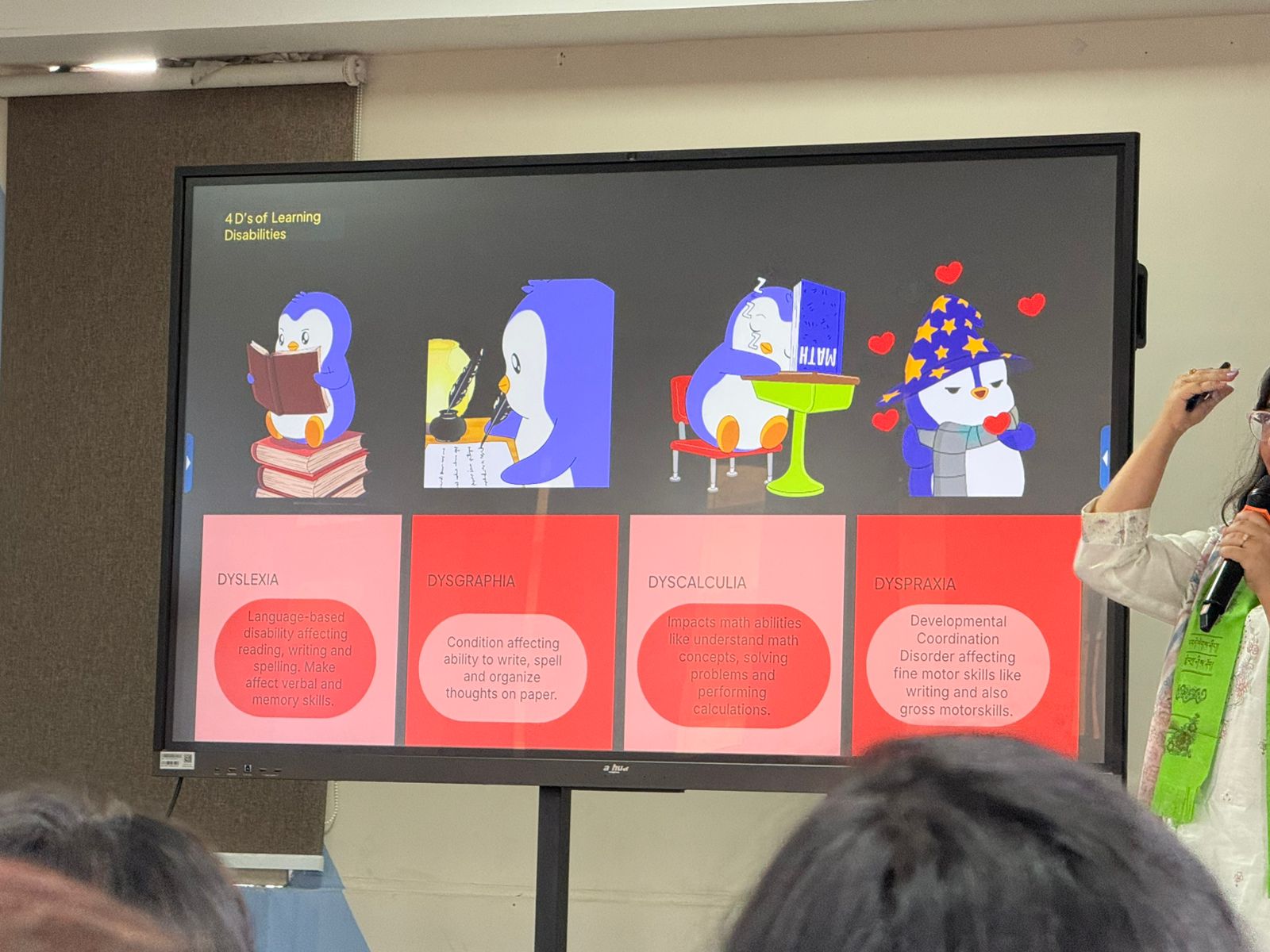
- Dyslexia, which affects reading, spelling, and decoding words.
- Dysgraphia, which shows up as messy handwriting, trouble with spelling, or difficulty getting thoughts on paper.
- Dyscalculia, which involves struggles with math concepts, patterns, or remembering calculations.
- Dyspraxia, which affects coordination and makes tasks like writing, cutting, or even staying organized physically much harder.
She stressed that early identification and clear support plans, like IEPs, can completely change a child’s future.
A Lively Discussion on Nepal’s Path Forward
Once the keynote speakers were done, there was a panel session led by Mr. Shamed Katila Shrestha, President of PRAN. The discussion focused on what Nepal needs to do to become more inclusive. Guests raised questions about practical steps, from teacher training to better infrastructure, to changing the social stigma around disability.
There was also a Q&A session where parents, educators, and other guests shared their concerns and hopes. Many agreed that even small shifts, like patience and open-mindedness from teachers, could make classrooms friendlier for all children.
Bringing It Home: Technology and Compassion in Nepal
The workshop also featured Mr. Dhruba Adhikari, founder of Sunflowerspectrum by RxPIN, an autism consciousness organization. He shared how the company was born out of empathy and compassion for neurodivergent people.
“Our work is about using technology to bring better care opportunities for children and adults on the spectrum,” he said. “We want to make it easier for families, care centers, and therapists to connect and support each other.”
Looking Ahead with Optimism
The workshop closed with a shared sense of hope. Everyone agreed that inclusion is not just about policies or school placements. It’s about building a culture where every child is seen, understood, and given a fair chance to thrive.
- Tags:
- News
Cite this article
Anurag Sharma (2025). Nepal Gathers Experts to Push for Inclusive Education. Sunflower Spectrum. https://www.sunflowerspectrum.com/blog/nepal-gathers-experts-to-push-for-inclusive-education