
 27 October 2026
Throughout history, there lived several rulers who have conducted what has also been labelled “forbidden experiment” of “ordinary human interaction deprivation” by some scholars. The curiosity of…
Throughout history, there lived several rulers who have conducted what has also been labelled “forbidden experiment” of “ordinary human interaction deprivation” by some scholars. The curiosity of knowing what language gods have given humans before our environment influences it has intrigued many from the BC period.
Once lived a king who ordered 50 newborn infants to be brought into his castle. The newborns were to be fed, nursed, bathed or washed but in no way were the foster mothers/nurses to speak and communicate with them. The experiment was to determine if there was a natural language children will demonstrate once their voices mature. But “the king laboured in vain, for the children could not live without clappings of the hands, and gestures, and gladness of countenance, and blandishments”(within a year).
There is always more to language than meets the eye. Before language, there are many components of development a child needs to attain before they understand they are someone with their own agency who can have an impact in the world.
During the earliest days of a child’s life, they know themselves primarily through their responses to their physical world: gas, bubbles, movements, sights and sounds, textures, and other sensations. They begin having their special person, i.e. parents, they respond particularly to their parents, including the voices, smiles, and special smells of their parents. And patterns of movement create states of shared joy. This is the subtle beginning of communication and language, via tiny responses.
Along with interest in the world comes a special love for the world of human relationships. Not just any relationship, infants learn to figure out their special people- the parents or primary caregivers. The infant singles them out as the most important aspect of their world and let them know they are special by brightening up, looking in the eye and giving them a smile. That’s how they experience shared smiles, joy and love. They feel safe with them. They discover and deepen their intimacy. These exchanges of gestures furthers the wheel of communication and language.
The ability to be intimate forms the basis of all future relationships. The infant learns about warmth, love, how joyful people can be, and lays a foundation for forming loving relationships throughout life. Mastery of this milestone cements motor, cognitive and language skills. The infant learns to use their body to become close to parents, recognize their face, their speech/sound and sources, pay attention for 30 secs or more. These skills provide a foundation for later capacity to think, move and talk.
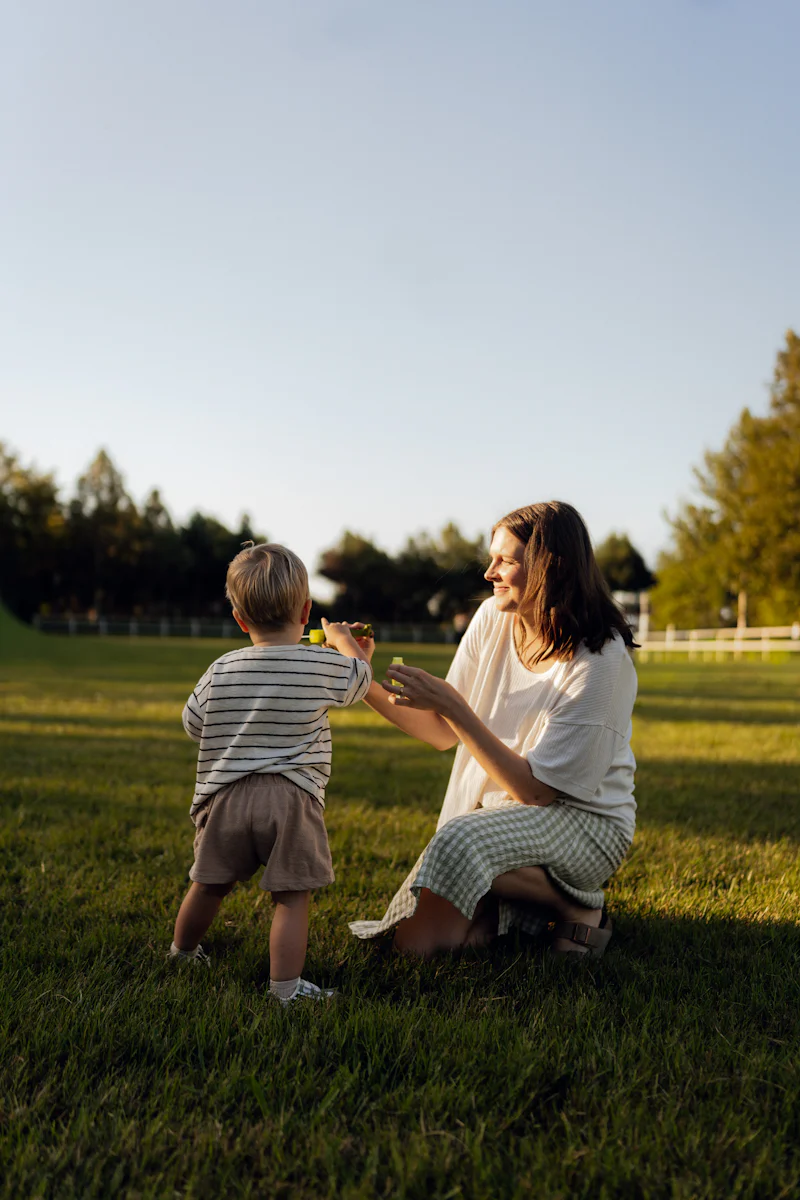
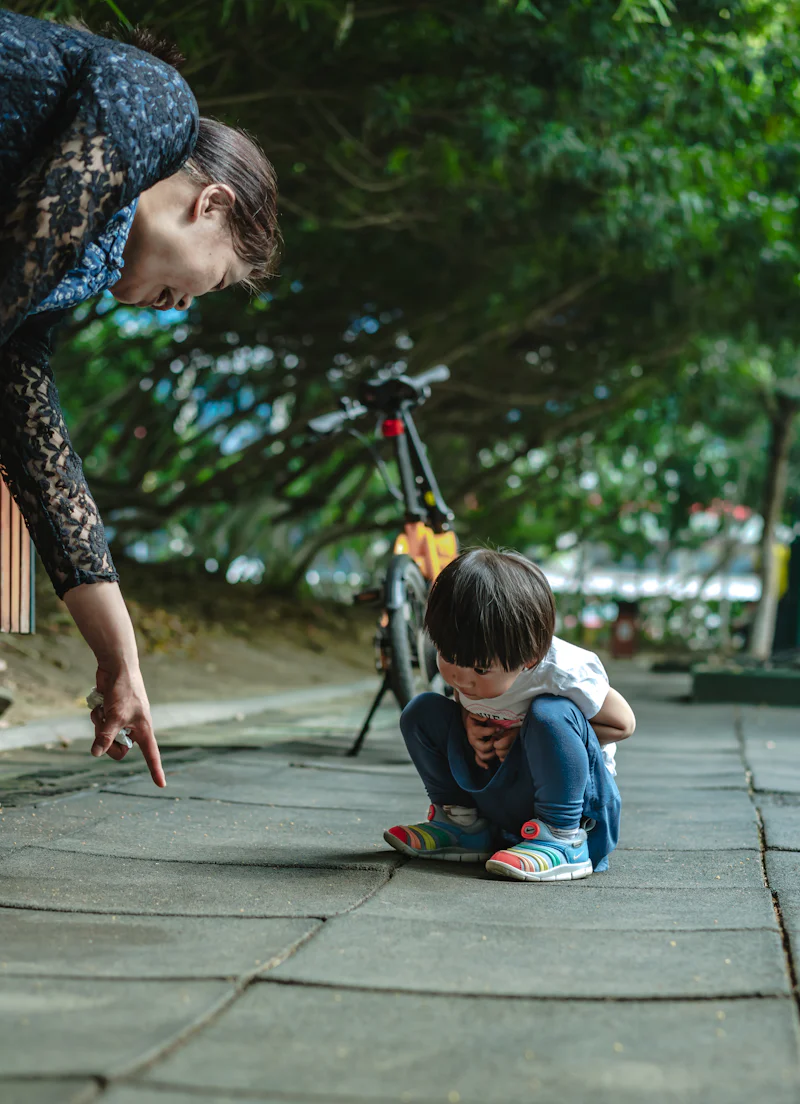
Playing interactive games while leaning in close to your child, talking to them in animated/lively voices (low or high pitch), moving right to left, captures a child’s attention. Touching your child, stroking their limbs, gently rocking them, wiggling their fingers and toes while talking to them with exciting words, facial expressions, widening eyes entices your child. The baby shows signs of falling in love in the form of responses, smiles, sounds, cooing and you will find that “gleam in your baby’s eyes” when the baby is fully engaged. Look into the signs and the child may reach out to be picked up, smile or vocalise, push away food or break and bang toys to express protest or anger, cling to you, show caution or fear. All these can be considered efforts for communication and then we can build up from there by responding to the child and thus giving them the ultimate reward and motivation for further communication, the rich human connection!
All of the above happens by 12 months of age.
“Still face experiment” is widely known today where a child get distressed emotionally when they do not get any reactions or responses from their caregivers while they attempt to communicate and form a connection. Although the child recovers quickly if they get a “still face” from the parents/caregivers for a short period of time, long term deprivation results in severe psychological effects.
Infants love to copy adults, and meaningful relationships form the basis of the need for intentional communication and thus language is developed.
Children who receive warm nurturing, enriching interactions and do not have developmental challenges acquire language skills automatically given they receive the above stated pre-requisites.
Thus, in my opinion, the universal language humans are born with is that of felt safety, nurturing, understanding and empathy.
By Ganga Gurung, occupational therapist. Published exclusively on Sunflower Spectrum.
Published exclusively on Sunflower Spectrum.
Cite this article
Ganga Gurung (2026). Language Humans Are Born With. Sunflower Spectrum. https://www.sunflowerspectrum.com/blog/language-humans-are-born-with