
 11 August 2025
Initial research and a visit to Kanti Bal Hospital confirmed her fears: autism was cureless. But knowledge is a fragile thing without acceptance. A story that is both intensely personal and deeply universal. Because being different doesn't mean being wrong. It just means being real.
Have you ever been called “different”? Not in a quirky, fun way, but in a way that made you pause and wonder if you belonged?
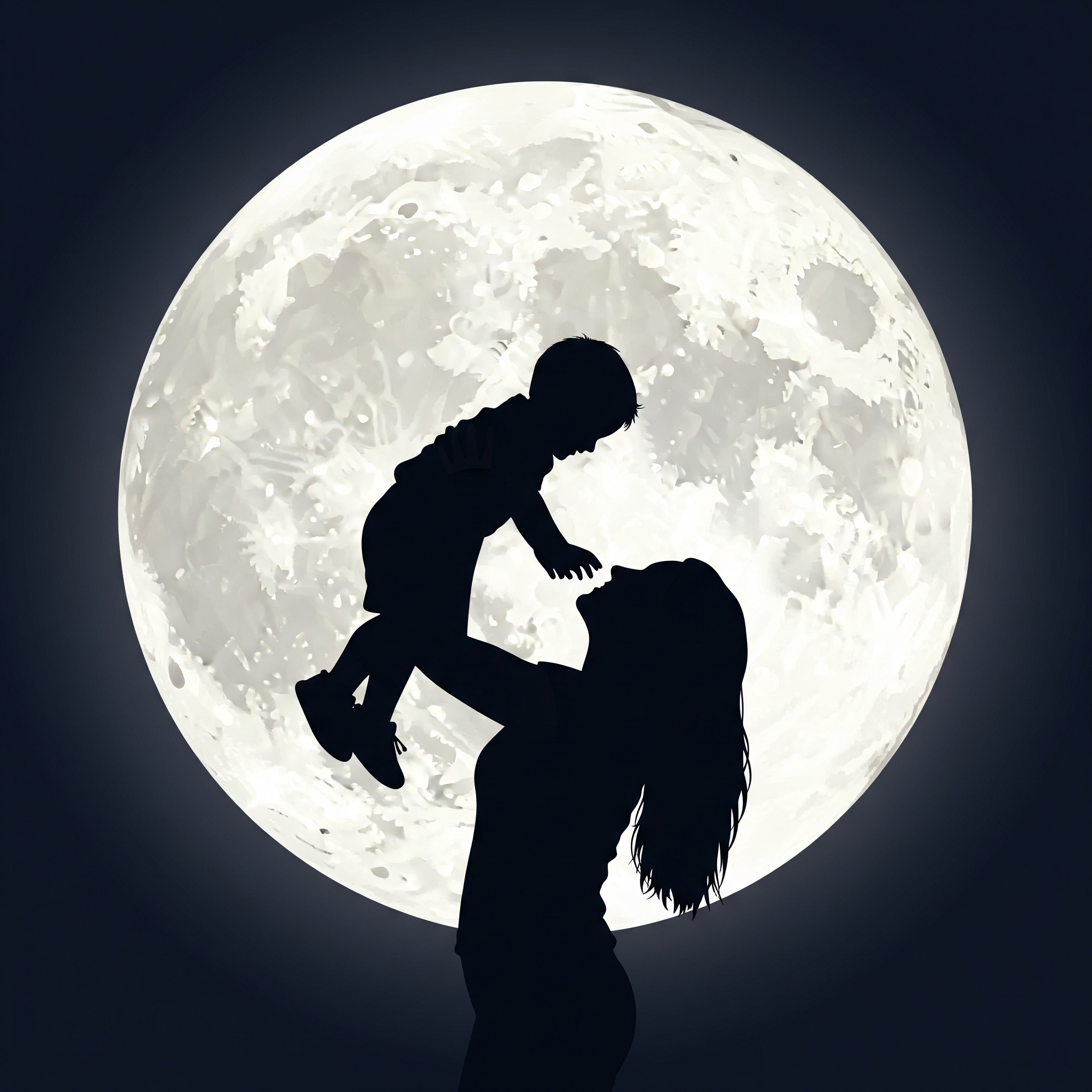
Hira Poudel faced this question, not for herself, but for her son, Nirvan. For a child born under the bright and hopeful lights of a hospital, a child whose first moments were marked by a lack of oxygen and a deep, unnerving blue hue, the signs were subtle at first. But a mother's gaze misses nothing.
The toe-walking, the sudden and silent flailing of hands and feet at two years old, the unsettling laughter and crying in his sleep, these weren't just quirks. They were pieces of a puzzle. And in the quiet of a morning, with a fear so heavy it took her breath away, she typed those behaviors into a search bar. The word that came back, again and again, was autism. A word she had never known, but one that would soon become the lens through which she viewed her life.
This is the start of a story that is both intensely personal and deeply universal. Because being different doesn't mean being wrong. It just means being real.
Understanding Autism: A Spectrum, Not a Box
For Nirvan's mother, the word "autism" initially felt like a box, a cold, clinical label that she was terrified to open. Her child, who had a proper voice and good speech for a 2 year old, was suddenly showing behaviors she couldn't understand. She saw a diagnosis, and for a moment, that's all she could see.
Her initial research and a visit to Kanti Bal Hospital confirmed her fears: autism was cureless. But knowledge is a fragile thing without acceptance.
The journey through this new world was a lonely one. Her husband, a dedicated banker, was consumed by his job, and the weight of their world fell solely on her shoulders.
Then, she was a mother, a caregiver, a researcher, and a tireless advocate, all while battling a profound sense of isolation.
The Hope and The Heartbreak: From "Fixing" to Acceptance
The journey was a blur of frantic searches for schools and therapies. She found herself in a heartbreaking cycle of hope and rejection. A school promised to observe her son for seven days, only to turn him away, saying they could not keep him. The pain of that moment was not just a rejection of her son, but a rejection of her hope.
But a mother's love is not easily defeated. She found a place called Hope Center for Child Development and Research Center, and it was there, through Occupational Therapy and speech sessions, that Nirvan began to blossom. He could finally sit in a proper position without support, a small, monumental victory that brought tears to her eyes.
It was also at Hope, in a Parent-Child Training Program (PCTP), that the shift from knowledge to acceptance truly began. In the company of other parents and compassionate professionals, she could finally confront her denial and begin the difficult, beautiful work of accepting her son for who he is. This was the moment everything shifted. The fear and the frantic search for a "cure" gave way to a new, powerful resolve: acceptance.
She realized that her son was not broken. He was not a problem to be solved. He was simply himself.
A Gentle Note to the Reader: A World Unready
Nirvan's story, like so many others in Nepal, is a raw look at a system with limited support. The financial burden is immense, falling heavily on a single income. With the added responsibility of caring for the elderly, the mother's stress and depression are a constant, heavy presence. Family support is very crucial and will definitely be a deciding factor in mental health and quality of life.
In a society where understanding is still growing, isolation is a shadow that follows mothers like her in every step.
Her greatest concern, and the one that keeps her up at night, is for Nirvan's future. He is not comfortable around people or in unfamiliar settings. Nepal is not yet a neurodivergence-friendly society, and she worries how she will help him navigate a world that is not built for him. How can she help him socialize and be ready for a world that is not yet ready for him?
This mother, like many others, doesn’t need consolation. She needs understanding. She needs a community that knows that what makes Nirvan, Nirvan is not his diagnosis, but his way of seeing the world. It is his voice, even if he communicates with his hands or his gait. It is the way he thinks deeply, feels strongly, and loves sincerely.
If you are a parent, a teacher, a friend, or just someone trying to learn, thank you. Your effort to understand matters more than you know.
Nirvan doesn’t need to be changed. He needs to be accepted. Understood. Included. Loved.
So the next time someone says, “You’re different,” take it as a sign of something special. And remember: being different is what makes you, you.
Disclaimer: All names and narratives presented herein have been written and published with the informed consent of the individuals concerned.
Cite this article
Stuti Sapkota (2025). A Mother's Gaze: Learning the world through Nirvan’s Eyes. Sunflower Spectrum. https://www.sunflowerspectrum.com/blog/a-mothers-gaze-learning-the-world-through-nirvans-eyes